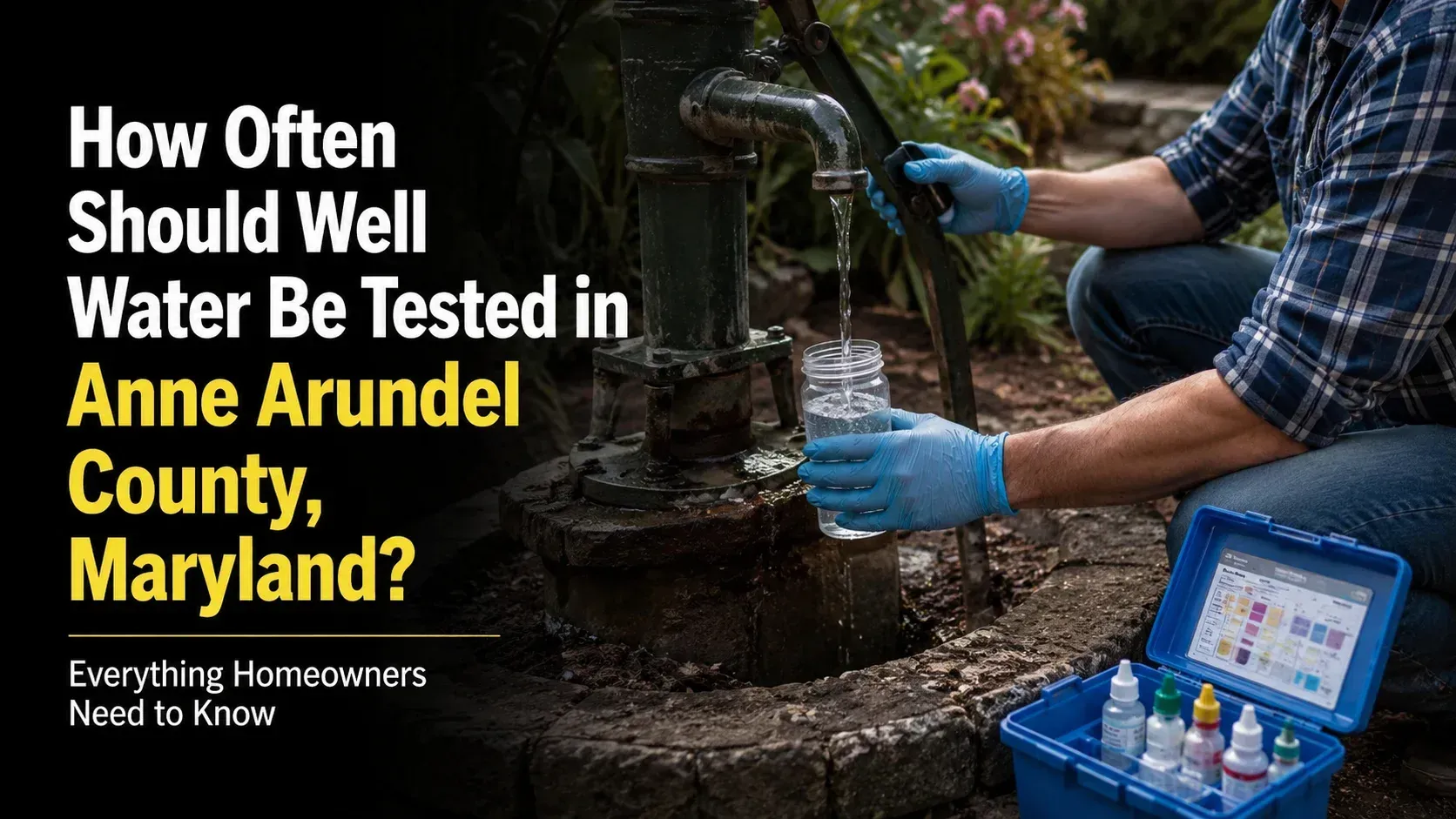
How Often Should Well Water Be Tested in Anne Arundel County, Maryland?
Preventing Leaks and Water Damage
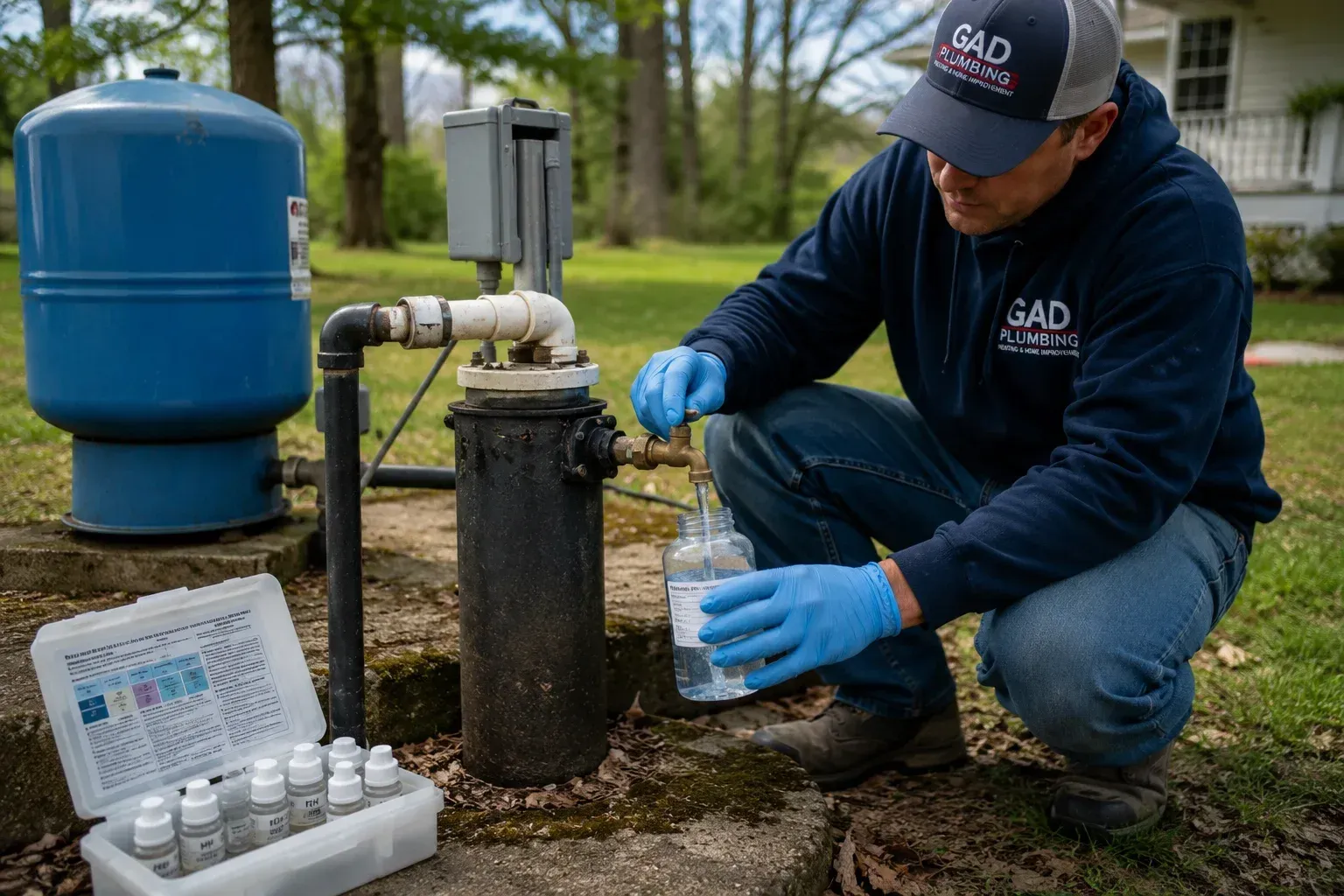
Table of Contents
- Introduction
- Understanding Private Wells in Anne Arundel County
- Recommended Testing Schedule for Well Water
- Common Contaminants Found in Well Water
- Seasonal Testing Considerations in Maryland
- Water Quality Indicators You Should Know
- How to Get Your Well Water Tested
- Maintaining Your Well System Between Tests
- Conclusion
- Summary
- Frequently Asked Questions
Key Takeaways
- Private well owners in Anne Arundel County should test their water at least once per year, with additional tests after flooding or plumbing work.
- The Maryland Department of the Environment (MDE) recommends testing for bacteria, nitrates, and pH levels at minimum.
- Seasonal changes in Anne Arundel County can affect water quality, so testing more frequently during spring and after heavy rainfall is wise.
- Common contaminants in private wells include coliform bacteria, E. coli, nitrates, and iron.
- Knowing your baseline water quality helps you detect problems early and protect your family's health.
Introduction
If you rely on a private well for drinking water in Anne Arundel County, you should test your water at least once a year, and more often if you notice changes in taste, color, or odor. Unlike municipal water systems, private wells are your responsibility - there's no government agency monitoring their safety, which means you need to take an active role in protecting your water quality.
Many homeowners don't realize that well water testing isn't optional - it's an essential part of home maintenance that affects your family's health directly. Anne Arundel County's unique geology, combined with coastal influences and seasonal weather patterns, creates specific water quality challenges that every well owner should understand.
Understanding Private Wells in Anne Arundel County
Anne Arundel County sits in a region where groundwater comes from multiple aquifer systems at varying depths. Some wells tap into shallow aquifers that are more vulnerable to surface contamination, while others draw from deeper sources that are more protected but still require monitoring.
The county's location near the Chesapeake Bay and its mix of agricultural, residential, and urban areas means that well water can be exposed to different contaminant sources depending on where your property is located. If your home is on a septic system, your well water quality depends partly on proper septic maintenance and distance from the drain field.
Understanding what's in your soil and groundwater is the first step toward making informed decisions about testing frequency and water treatment.
Recommended Testing Schedule for Well Water
The Maryland Department of the Environment recommends that private well owners test their water at minimum once per year. This baseline testing covers the most common and dangerous contaminants.
However, your actual testing frequency may need to be higher if:
- You've had recent plumbing repairs or well work done
- You're on a septic system and experienced problems
- You've had flooding that affected your well area
- Your previous test results showed contamination
- You live near agricultural areas with fertilizer use
- You notice changes in your water's appearance, smell, or taste
Some homeowners choose to test twice yearly - once in spring (when snowmelt and heavy rains can affect groundwater) and once in fall (to check baseline water quality). If your area has experienced drought or unusual weather, additional testing makes sense.
Testing doesn't need to be expensive. A basic water quality test through your local health department or a certified laboratory typically costs between $75 and $200 per year.
Common Contaminants Found in Well Water
Not all well water problems are visible or noticeable. Some of the most serious contaminants don't change the way water looks, smells, or tastes, which is why testing matters.
Bacterial Contamination
Coliform bacteria and E. coli are the top concerns for well water safety. These bacteria enter wells through cracks in the casing, improper sealing, or proximity to contamination sources. They can cause serious gastrointestinal illness, especially for children, elderly people, and those with weakened immune systems. A positive bacteria test means your water isn't safe to drink without treatment.
Nitrates
Nitrates come from fertilizers, animal waste, and septic system leakage. High nitrate levels are especially dangerous for infants under six months old, potentially causing a condition called methemoglobinemia. Adults shouldn't consume water with nitrate levels above 10 mg/L.
Iron and Manganese
These minerals are common in Anne Arundel County groundwater. While not immediately dangerous, they cause staining on fixtures, discolored water, and unpleasant tastes. High iron levels can also promote bacterial growth in pipes. If your test results show elevated minerals, water conditioning services can help address these issues and improve water quality.
Radon
This radioactive gas enters wells from natural uranium decay in surrounding rocks and soil. Radon in drinking water increases cancer risk over time. Testing for radon isn't always part of basic well water testing, so ask about it specifically.
pH and Hardness
Water that's too acidic or too alkaline can corrode pipes and affect the effectiveness of any treatment system you use.
Seasonal Testing Considerations in Maryland
Anne Arundel County experiences significant seasonal changes that affect groundwater quality. Spring testing is especially important because snowmelt and heavy rain can temporarily raise water tables and introduce surface contaminants into shallow wells.
Summer drought can concentrate minerals and contaminants in groundwater, potentially worsening water quality. Fall testing helps establish your baseline before winter, while winter itself is less problematic unless severe weather damages your well structure.
Heavy rainfall events in Anne Arundel County, whether from nor'easters or summer thunderstorms, can affect well water quality for days or weeks afterward. If you experience flooding near your well, test your water sooner rather than waiting for your scheduled annual test.
The Chesapeake Bay's proximity also means that coastal properties may experience saltwater intrusion into wells during extreme tidal events, though this is more common in areas very close to the water.
Water Quality Indicators You Should Know
Before your professional test results come back, pay attention to what your senses tell you.
Discolored water - ranging from yellow to brown - typically indicates iron, manganese, or sediment. While usually not toxic, it suggests contaminants are present. Cloudy or turbid water means sediment or microbial material is suspended in the water.
Strange tastes or metallic flavors often come from iron, copper, or zinc. Rotten egg or sulfur smells indicate hydrogen sulfide gas. Salty tastes in areas near the bay may suggest saltwater intrusion.
Sudden changes in water quality deserve immediate attention. If your water looks, smells, or tastes different than usual, don't wait for your annual test - contact a water testing professional right away.
How to Get Your Well Water Tested
You have several options for testing your well water in Anne Arundel County.
The Anne Arundel County Health Department can direct you to certified laboratories that test private well water. Maryland's Department of the Environment maintains a list of approved testing facilities. These labs follow state protocols and their results are legally recognized if you ever need to document water quality for property sales or disputes.
Your local well pump and water system service company can arrange testing as part of routine maintenance. They're familiar with your well and can collect samples properly. Water treatment companies also offer testing, though keep in mind they may recommend their products based on results.
When you get a test done, ask specifically what contaminants are being tested for. A basic test covers bacteria, nitrates, pH, and hardness. Additional tests for radon, pesticides, or industrial chemicals cost more but may be necessary depending on your location and local risks.
Maintaining Your Well System Between Tests
Testing is just one part of well care. Between tests, maintain your well properly to reduce contamination risk.
Keep your well area clear of chemical storage, fuel tanks, and septic system components. Maintain at least 50 feet of distance between your well and any septic drain field, and keep gutters and drainage directed away from the well head.
Have your well inspected periodically to check for visible cracks, improper sealing, or damage. If your well casing is exposed or damaged, bacteria can enter easily. Well caps should seal tightly to prevent surface water and insects from entering.
If you use a septic system, maintain it properly - pump it every three to five years and avoid flushing anything that will clog the system or damage the bacteria that help it work. A failing septic system is one of the most common sources of well water contamination.
Consider having a professional inspect your well pump maintenance and water system annually. They can spot problems that might affect water quality before contamination occurs.
Conclusion
Well water testing in Anne Arundel County is straightforward: test at least once yearly, more often if circumstances warrant it. The cost is modest, the process is simple, and the benefit - knowing your family has safe drinking water - is significant.
Your well water doesn't receive the same oversight that municipal water does, which means you're responsible for monitoring it. Understanding what contaminants to watch for, knowing when to test more frequently, and maintaining your well properly are the key steps to protecting your water supply.
The goal isn't perfection - it's informed decision-making. When you know what's in your water, you can decide whether you need treatment, how to fix problems, and when to call for professional help.
Summary
If you're uncertain about your well water quality or aren't sure when you last had it tested, reaching out to a qualified water professional can help. They can review your well's history, recommend an appropriate testing schedule based on your specific situation, and answer questions about treatment options if testing reveals any issues. Getting clarity on your water quality removes guesswork and gives you confidence that your family's drinking water is safe.
Frequently Asked Questions
Q: What's the cheapest way to test well water in Anne Arundel County?
A: Contact the Anne Arundel County Health Department for a list of certified, affordable laboratories. Basic testing through a county health facility typically costs $75-150 per year. More comprehensive tests cost more but aren't always necessary unless you've had positive results or specific concerns.
Q: Do I really need to test every year if my water looks and tastes fine?
A: Yes. Many serious contaminants like bacteria, nitrates, and radon have no taste, color, or smell. Annual testing catches problems before they affect your family's health. If you've had previous contamination, testing more frequently is worthwhile.
Q: Can I test my well water myself at home?
A: Home test kits are available, but they're less reliable than laboratory testing. For serious contaminants like bacteria and nitrates, send your sample to a certified lab. Home kits are helpful for checking pH or hardness between professional tests, but shouldn't replace annual lab testing.
Q: What should I do if my well water test shows bacteria?
A: Stop drinking the water and contact a water treatment professional. You'll likely need to disinfect your well and install a treatment system. Boiling water temporarily kills bacteria but doesn't address the underlying contamination source.
Q: How long does well water testing take?
A: Sample collection takes 10-15 minutes. Lab results typically come back within 5-10 business days. Some private labs offer rush testing for higher fees.
Q: What's the difference between coliform and E. coli in well water?
A: All E. coli are coliform bacteria, but not all coliform bacteria are E. coli. Finding coliform means contamination is present. Finding E. coli specifically means the contamination source is likely fecal matter and the health risk is higher. Both require immediate action.
Q: Should I be concerned about saltwater intrusion into my well near the Chesapeake Bay?
A: If your property is very close to the bay, it's worth monitoring. Saltwater intrusion is rare in most Anne Arundel County wells but can happen during extreme tidal events or in over-pumped areas. If you taste salt in your water, test for chloride levels immediately and contact a water professional.