The Top 3 Plumbing Mistakes Homeowners Make

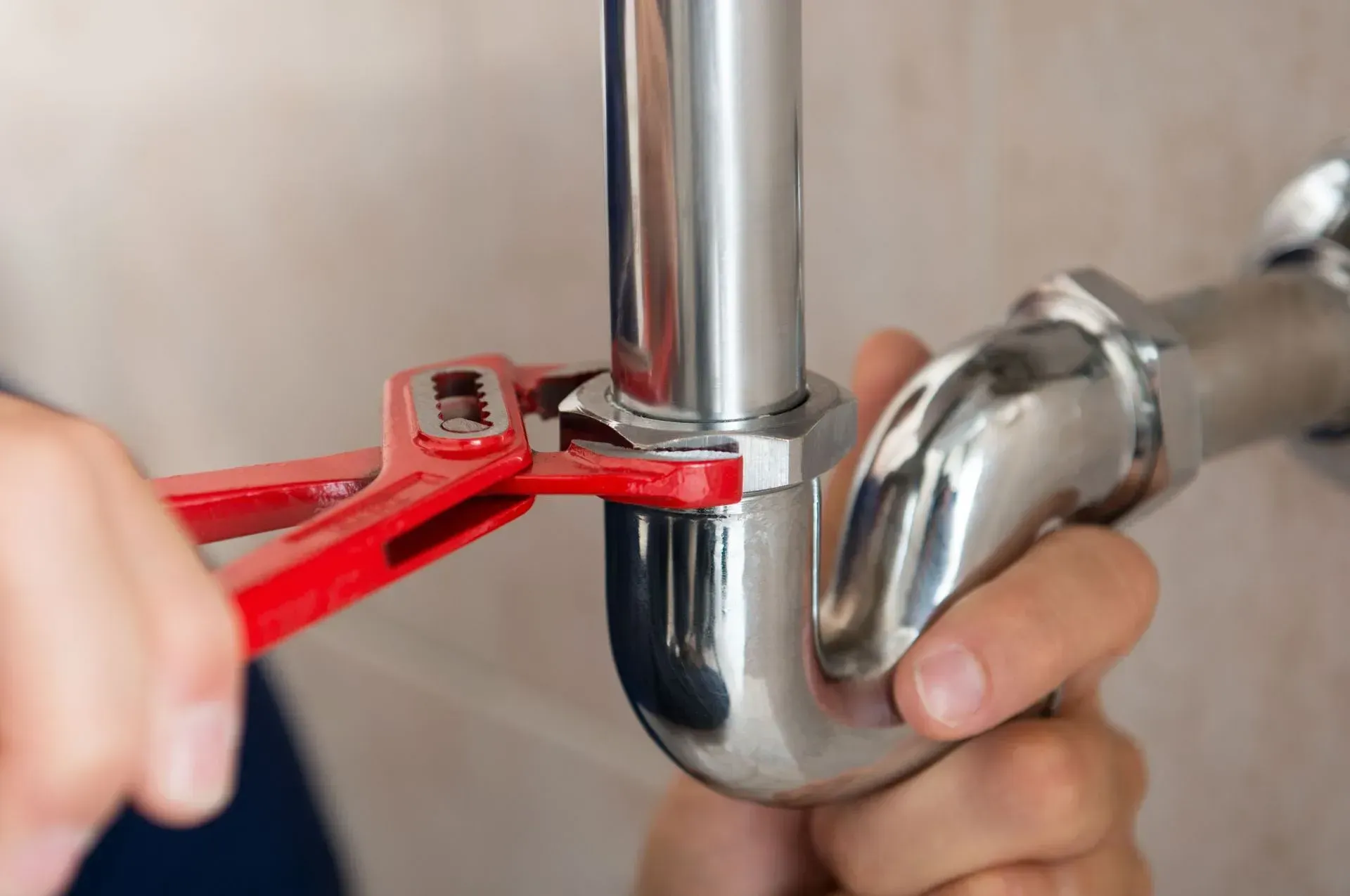
Hands using a red wrench to tighten a chrome pipe under a sink

Homeowners often dive into DIY plumbing with good intentions, but end up making costly mistakes. While tackling minor plumbing issues can seem straightforward, many underestimate the complexities involved. Understanding the common pitfalls can save both time and money, and, more importantly, prevent minor issues from escalating into major plumbing disasters.

1. Using Chemical Drain Cleaners

One common error is the misuse of chemical drain cleaners. Homeowners frequently rely on these powerful solutions to clear blockages, not realizing they often cause more harm than good. Chemicals can corrode pipes and lead to leaks, resulting in significant repair costs. In such scenarios, a professional assessment is advised—an option readily available. According to ConsumerAffairs, there were 113,000 plumbing businesses in the United States as of 2023. Many of these businesses offer a range of plumbing services that can safely and effectively address drain issues without damaging your pipes.

2. Over-Tightening Plumbing Connections

Another mistake is over-tightening plumbing connections. Many assume that more force equals a better seal, but excessive tightening can actually strip threads and crack fittings. These damages are often invisible until they result in a full-blown leak. It's crucial for homeowners to understand that "less is more" can often be a more applicable mantra than applying maximum force. For safe, reliable results, professional plumbing services should be considered when dealing with pressurized systems or delicate components.

3. Misusing Plumbing Fixtures

Misusing plumbing fixtures, like toilets and garbage disposals, also ranks high among homeowners' mistakes. Toilets are not trash cans; flushing inappropriate items like wipes, sanitary products, or paper towels can lead to stubborn blockages. Similarly, garbage disposals are not designed to handle all food waste, particularly hard or fibrous scraps, which can overwork and eventually burn out the motor. Knowing what can and cannot go down the drain can prevent untimely breakdowns and extend the lifespan of these critical home fixtures. When in doubt, consulting with professionals who specialize in plumbing services is always a smart move.


While the allure of DIY plumbing may be tempting, the repercussions of common mistakes could far outweigh the initial savings. Homeowners should weigh the risks and consider when it might be more prudent to hire a professional. With a vast number of plumbing services available, expert help is closer than one might think.


Don’t let small issues turn into big problems—contact GAD Plumbing, Heating & Home Improvement, Inc. today for reliable plumbing services you can trust. Your home deserves expert care!

Close-up of corroded pipes: what causes low water pressure in older homes.
July 23, 2026
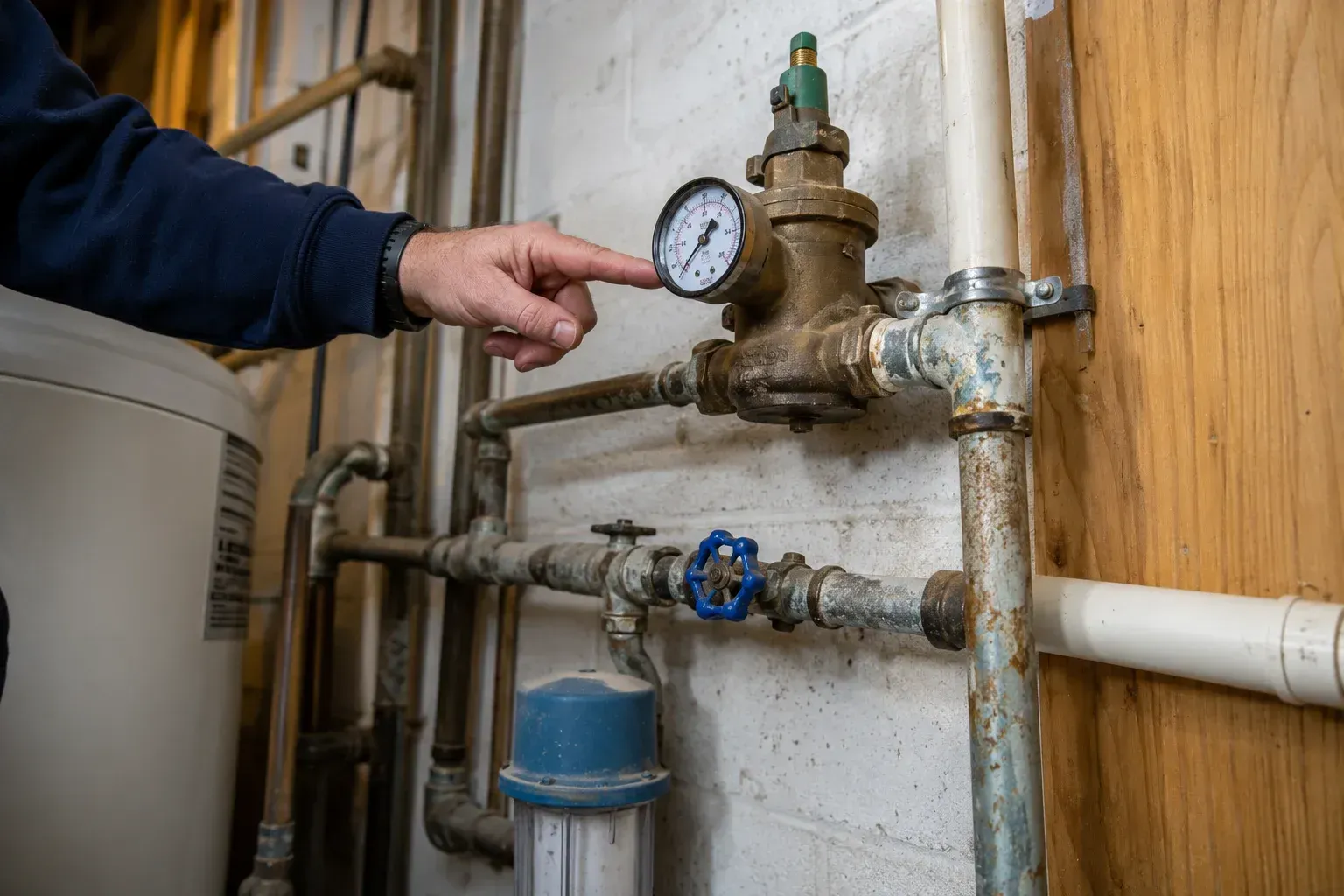
Discover what causes low water pressure in older homes in Calvert County, MD. Learn about aging pipes, mineral buildup, leaks, and when to call a plumber.
Plumber collecting a sample to show how often should well water be tested for safety.
July 23, 2026
Learn how often to test well water in Anne Arundel County, MD. Understand testing schedules, contaminants, and seasonal factors to protect your water quality.
Plumber repairing pipes under a bathroom sink with tools on the floor
By Andrew Moats April 25, 2026
Leaks are one of the most common plumbing problems homeowners face, and they often begin with poor installation. Small mistakes such as loose fittings, poorly sealed joints, or incorrect pipe placement can gradually develop into serious leaks. Professional installation greatly reduces these risks by ensuring that every connection is secure and tested before the system is put into regular use. Water damage from plumbing leaks can affect walls, flooring, cabinets, and structural components of the home. Over time, even a slow drip can lead to mold growth or deterioration of building materials. Professional plumbers take preventative measures by carefully inspecting each part of the system, sealing vulnerable connections, and verifying that pipes are properly supported throughout the structure. Professional plumbing services also include thorough post-installation testing. Water pressure tests, flow checks, and leak inspections help confirm that the system operates as intended. Identifying potential issues at the start prevents small problems from growing into larger repairs that could disrupt the household and increase long-term maintenance costs. Early detection and correction allow homeowners to enjoy dependable plumbing performance without unexpected damage or emergency repairs.